
what is the relationship between resistance welding electrode and spot welding electrode?
Spot welding electrodes are a subset of resistance welding electrodes used specifically for spot welding, a common form of resistance welding. Resistance welding electrodes encompass various types of electrodes utilized in different resistance welding processes, including spot welding. Therefore, spot welding electrodes are a type of resistance welding electrode tailored for spot welding applications.
Outline
Resistance Welding Electrode
Definition
Resistance welding electrodes are like the unsung heroes of the welding world. They’re the ones that conduct the electrical current necessary to make the magic happen. Essentially, they’re the connection between the power source and the workpieces being welded.
Their main purpose is to deliver electrical energy to the welding zone while applying the right amount of pressure to ensure a strong bond between the materials being welded. Think of them as the bridge between the power source and the metal pieces, ensuring they stick together like glue.
Types
Now, when it comes to resistance welding, there’s more than one way to get the job done. There are a few main types of resistance welding processes, each with its own unique approach to joining metals:
This is the superstar of resistance welding. It involves joining two or more metal sheets at discrete points, creating a series of “spots” where the welds occur.
Picture spot welding, but on a continuous line. Seam welding joins overlapping edges of metal sheets along a seam, creating a continuous weld.
This one’s all about precision. Projection welding uses specially designed electrodes to create localized welds at specific points on the workpieces.
It’s all about the flash! Flash welding involves creating a brief but intense burst of heat to join two metal pieces together.
Common Characteristics
Now, let’s talk about what makes these electrodes tick. There are a few key characteristics that all resistance welding electrodes share:
ELECTRICAL CONDUCTIVITY:
They need to be able to conduct electricity effectively to deliver the current to the workpieces.
PRESSURE APPLICATION:
They're not just there to conduct electricity; they also need to apply the right amount of pressure to ensure a solid weld.
THERMAL CONDUCTIVITY:
With all that heat flying around, they've got to be able to handle it like a pro without melting into a puddle.
DURABILITY:
Resistance welding can be a tough job, so these electrodes need to be tough cookies too, able to withstand the heat and pressure of repeated welding cycles.
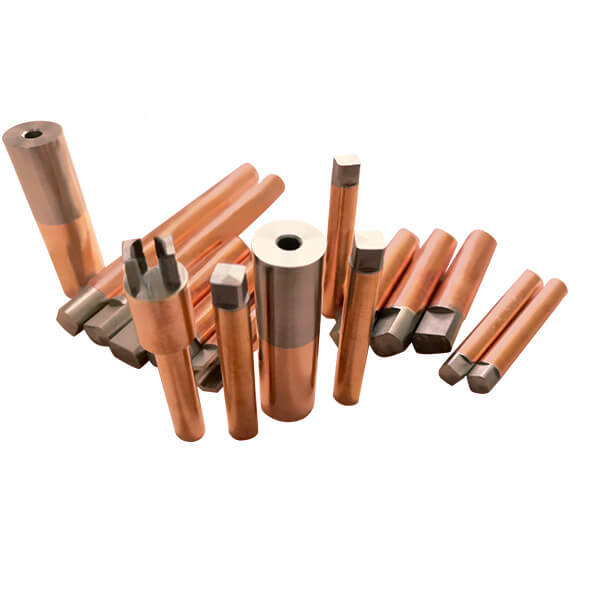
Tungsten & Molybdenum Spot Welding Electrode for Sale
Materials Used
Now, let’s talk materials. The choice of material for resistance welding electrodes is crucial to their performance. Here are some of the most common materials used:

Refractory Metals
Think tungsten and molybdenum. These metals can handle high temperatures like nobody’s business, making them perfect for those high-heat welding jobs.

Copper and Copper Alloys
Copper is a popular choice due to its excellent electrical and thermal conductivity. Plus, it’s pretty good at resisting wear and tear.
Electrode Coatings
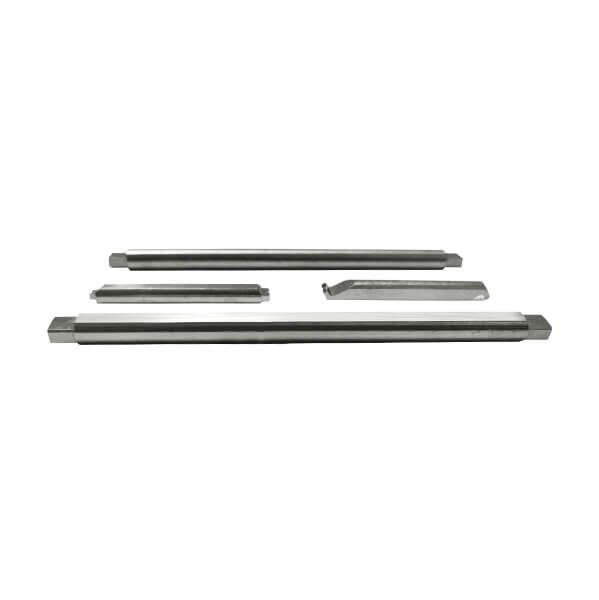
Sometimes, electrodes get a little extra help in the form of coatings like silver, which can improve conductivity and reduce sticking during welding.
Spot Welding Electrode
Definition and Purpose
let’s talk about spot welding electrodes! These little guys are like the superheroes of spot welding. They’re the ones responsible for zapping those metal sheets together at specific points, creating those neat little weld spots you see.
Their purpose is pretty straightforward: to deliver electrical current precisely where it’s needed to create a strong bond between the metal sheets.
The Process of Spot Welding
Now, let’s dive into how spot welding actually works. Picture this: you’ve got two metal sheets you want to join together. You place them between the spot welding electrodes, making sure they’re lined up just right. Then, you press the electrodes together to clamp the metal sheets in place.
Next comes the magic: you send a high electrical current through the electrodes, creating intense heat at the contact points between the metal sheets. This heat melts the metal, causing it to fuse together and form a solid weld spot. And just like that, you’ve got yourself a spot weld!

Electrode Design
Now, here’s where things get interesting: electrode design. Believe it or not, the design of the spot welding electrodes can make a big difference in the quality of the weld. They need to be shaped and sized just right to ensure good contact with the metal sheets and distribute heat evenly during the welding process.
Plus, the materials used for the electrodes can affect their performance too. Choosing the right material can help prevent sticking, reduce wear and tear, and ensure consistent welding results over time. So yeah, electrode design is kind of a big deal in spot welding.
Materials Commonly Used
Last but not least, let’s talk materials. Spot welding electrodes come in all shapes and sizes, but they’re usually made from materials that can handle the heat and pressure of the welding process. Here are some of the most common materials used:
Copper and Copper Alloys: Copper is a go-to choice for spot welding electrodes due to its excellent conductivity and durability. Plus, it’s pretty good at resisting sticking during welding.
Refractory Metals: Ever heard of tungsten and molybdenum? These metals are tough cookies, able to withstand high temperatures without breaking a sweat. They’re perfect for those high-heat spot welding jobs.
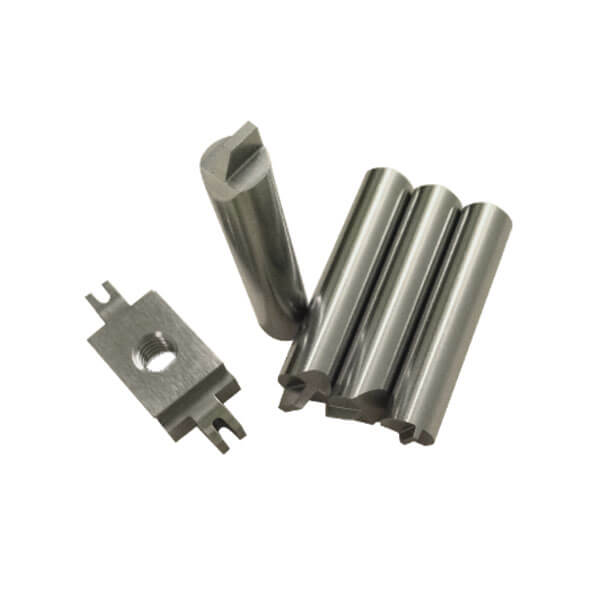
Purity 99.95% Tungsten & Molybdenum Base
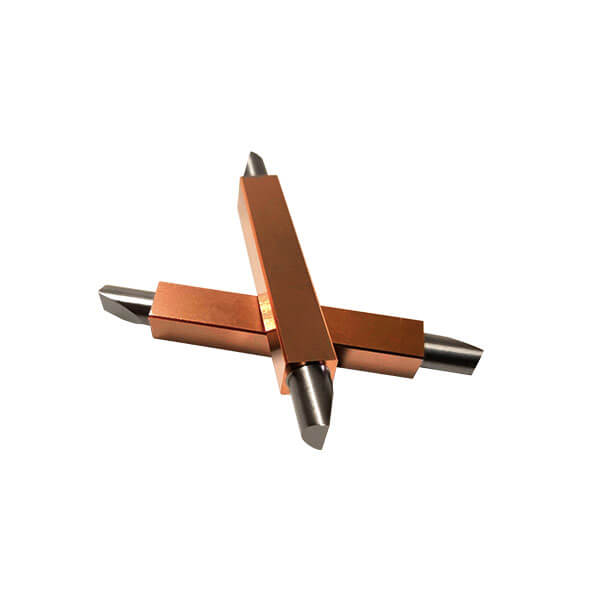
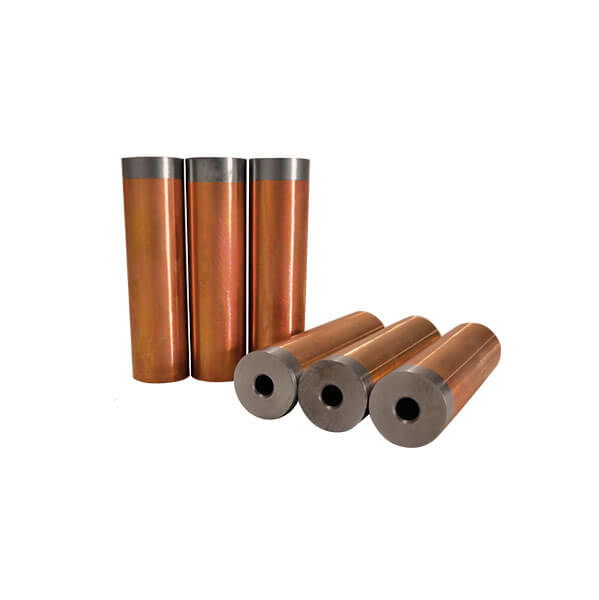
Copper / Copper Alloy Base
So there you have it, the lowdown on spot welding electrodes. They may be small, but they sure pack a punch when it comes to joining metal sheets together.
Relationship Between Resistance Welding Electrodes and Spot Welding Electrodes
As a Subset of Resistance Welding Electrodes
Spot welding electrodes are like the specialized siblings of resistance welding electrodes. While all spot welding electrodes fall under the umbrella of resistance welding electrodes, they have their own distinct role and purpose within the family.
In essence, spot welding electrodes are designed specifically for the spot welding process, making them a subset of the broader category of resistance welding electrodes. They’re like the focused specialists within a larger group of versatile tools
Shared Characteristics
Despite their unique roles, resistance welding electrodes and spot welding electrodes share some core characteristics:
Both types of electrodes need to efficiently conduct electricity to generate the heat required for welding. They’re the conductors that power the welding process.
With the intense heat generated during welding, these electrodes must withstand high temperatures without losing their cool. They’re like the heat-resistant heroes of the welding world.
Beyond just conducting electricity, these electrodes apply pressure to ensure proper contact between the workpieces during welding. It’s all about maintaining the right level of pressure for a solid weld.
From the heat of welding to the pressure of clamping, these electrodes need to be built tough. They’re the sturdy warriors that stand up to the rigors of welding day in and day out.
Customization of Spot Welding Electrodes
Now, here’s where spot welder tips really shine: they’re custom-tailored for the specific demands of spot welding applications. From their shape and size to their material composition, spot welding electrodes are optimized to excel in spot welding tasks.
This customization allows spot welding electrodes to deliver precise and efficient welding performance. Whether it’s ensuring uniform heat distribution, preventing sticking, or adapting to different workpiece materials, these electrodes are finely tuned for spot welding success.
So, while they may share some traits with their resistance welding counterparts, spot weld tips are the specialized tools that bring precision and expertise to spot welding operations.
Our story
About YOLO
As a tungsten and molybdenum products factory, we prioritize quality and efficiency, allowing us to offer competitive factory prices without compromising on the excellence of our products. Whether you’re a small workshop or a large manufacturing facility, we’re committed to providing you with the customized spot welding electrodes you need to achieve outstanding welding results.
Contact us today to discuss your spot welding requirements and discover how our customized electrodes can enhance your welding processes at a competitive factory price.


Spot Resistance Welding Electrode
Get Factory Price Start From Custom Size in China
As an expert manufacturer, Yolo offering high quality custom Spot resistance welder tips solution to evaluate your project!


