
1. Introduction
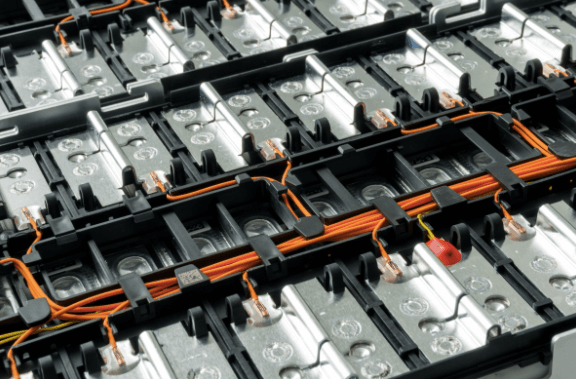
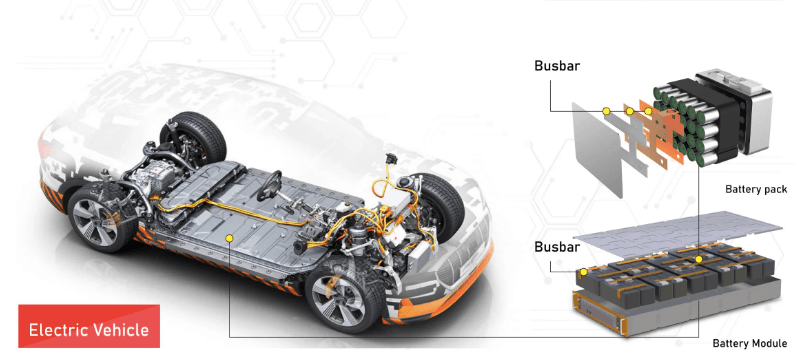
The electric vehicle (EV) industry is booming, and with it comes a surging demand for high-performance EV batteries. At the heart of every battery pack are busbars-critical connectors that channel current between cells and modules. As manufacturers race to scale production, the need for efficient, reliable, and cost-effective busbar joining methods has never been greater.
While several welding technologies are available-including laser, ultrasonic, and TIG welding-resistance welding stands out for its unique balance of cost, speed, and reliability. Let’s explore why resistance welding is often the go-to solution for EV busbar manufacturing, and how it compares to other common joining methods.
2. What is Resistance Welding?
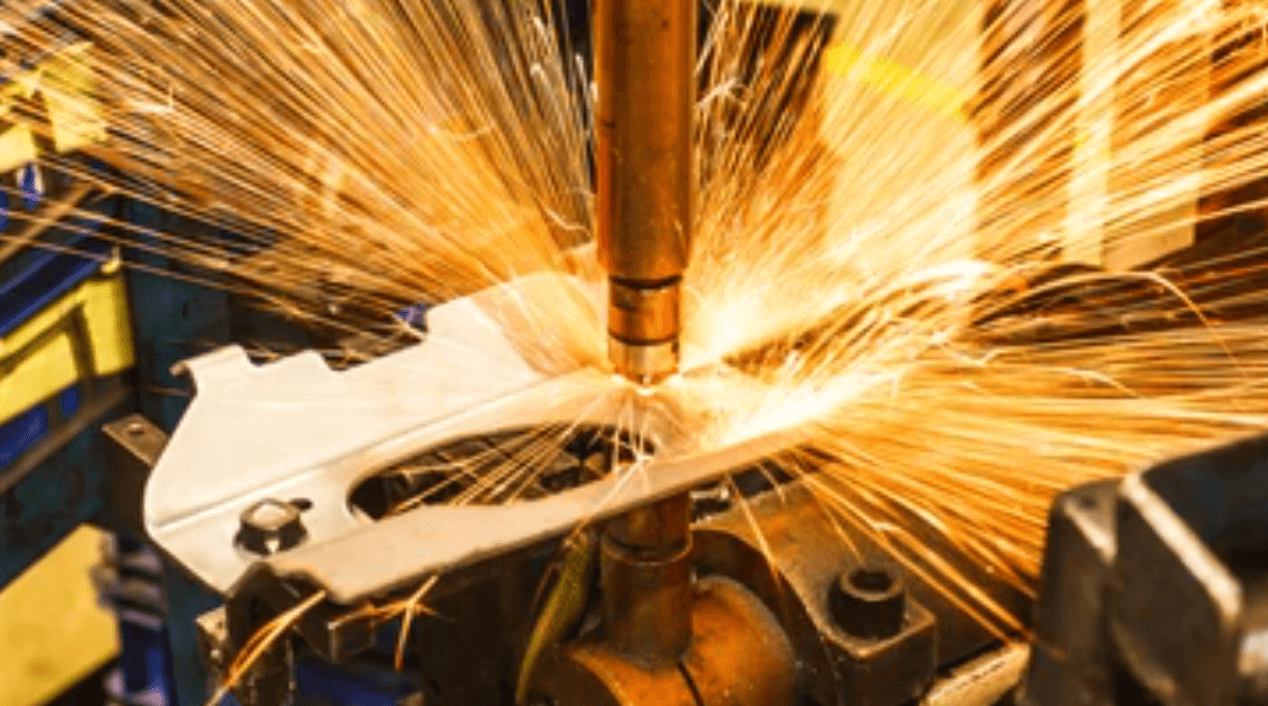
Resistance welding is a process that joins metals by applying pressure and passing an electrical current through the joint. The electrical resistance at the contact surfaces generates localized heat, melting the metal and forming a solid, reliable bond as it cools.
The two most common types used for busbar manufacturing are:
Spot Welding: Creates strong, discrete welds at specific points-ideal for joining sheets or strips.
Projection Welding: Uses raised projections on one part to concentrate heat and pressure, enabling robust welds on thicker or more complex parts.
3. Why Resistance Welding Stands Out: Benefits and How It Compares
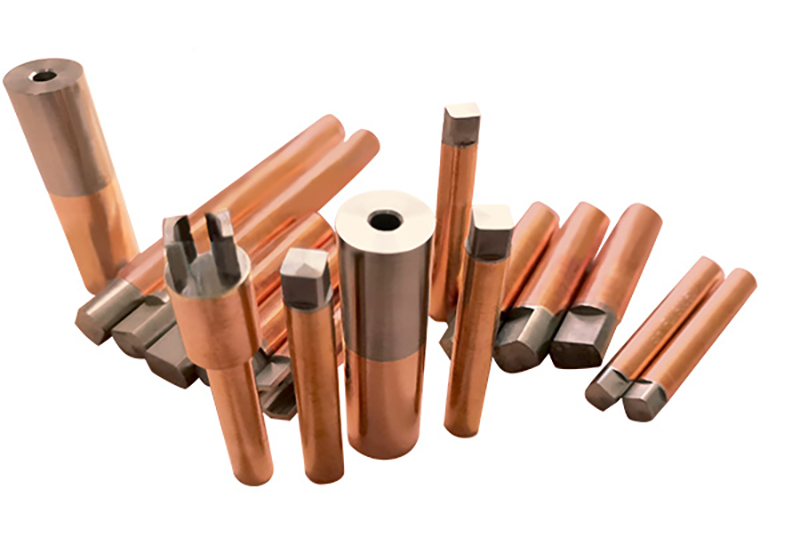
Yolo’s resistance welding electrode
When it comes to joining EV busbars, resistance welding really hits a sweet spot between cost, speed, and reliability. Let’s break down why it’s often the go-to choice—and how it stacks up against other common methods like ultrasonic, laser, and TIG welding.
 1. Friendly on Your Budget
Resistance welding machines are straightforward and don’t come with a hefty price tag. They also don’t need expensive gases or complicated optics to keep running smoothly.
Compared to laser welding: which can cost a fortune in setup and maintenance.
Compared to ultrasonic welding: which requires specialized—and often pricier—equipment.
Compared to TIG welding: which may be cheaper to buy but slower and more labor-intensive over time.
 2. Speedy and Ready for Big Runs
If you’re aiming to build hundreds or thousands of battery packs, speed matters. Resistance welding can make a spot weld in milliseconds and easily fits into automated production lines.
Laser welding is also fast but can require more fine-tuning.
Ultrasonic welding is great for thin materials but struggles with thicker busbars.
TIG welding? It’s reliable but way too slow for mass production.
 3. Solid, Consistent Connections
Every weld counts in an EV battery pack, and resistance welding delivers dependable joints that stand up to tough conditions.
Laser welding shines in precision but copper’s reflectiveness can sometimes trip it up.
Ultrasonic welding excels with thin foils but isn’t ideal for thicker or complex shapes.
TIG welding quality depends heavily on who’s holding the torch.
 4. Easy to Train, Easy to Maintain
Resistance welding doesn’t require a team of specialists. Operators can get up to speed quickly, and maintenance is straightforward compared to laser or ultrasonic systems.
Laser welding needs experts for setup and troubleshooting.
Ultrasonic systems demand careful calibration and clean surfaces.
TIG welding calls for skilled welders and steady hands.
 5. Flexible for Different Jobs
Whether you’re welding thick copper bars, overlapping parts, or multiple layers, resistance welding can handle it. That versatility is key when battery designs vary but quality can’t slip.
Laser welding is fantastic for tight, intricate spots but not always practical for larger, overlapping joints.
Ultrasonic welding works best on thin tabs, less so on solid busbars.
TIG welding suits specific weld types but isn’t great for all shapes.
Quick Comparison at a Glance
| Feature | Resistance Welding | Ultrasonic Welding | Laser Welding | TIG Welding |
|---|---|---|---|---|
| Cost to Buy & Operate | Budget-friendly | Moderate | High | Moderate |
| Speed | Lightning fast | Fast | Fast | Slow |
| Automation Friendly | Yes | Yes | Yes | Not really |
| Skill Needed | Easy to learn | Moderate | High | High |
| Best for Thickness | Medium to thick | Thin foils/tabs | Thin to medium | Medium to thick |
| Ideal Use Case | Mass production | Thin tab welding | Precision spots | Small batches/prototyping |
4. Ideal Applications in the EV Industry
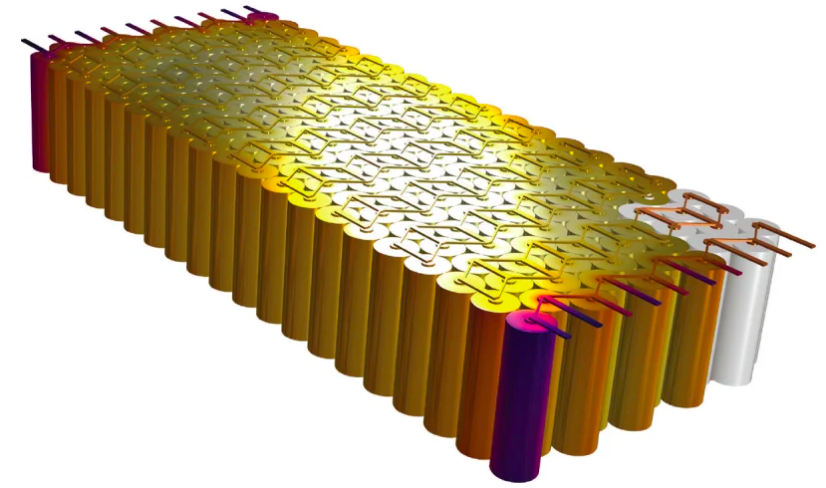
Resistance welding is particularly well-suited for:
Battery Modules with Simple, Repeatable Geometries: The process excels when welding consistent, repeatable parts, such as busbars with uniform shapes.
Medium to Thick Busbars: It is effective for thicker busbars, which are common in high-current EV battery applications, where strong welds are critical.
Manufacturers Needing Scalability: Resistance welding allows easy scaling from prototype to mass production without sacrificing joint quality or increasing costs significantly.
5. Real-World Examples
Many leading EV battery manufacturers have successfully implemented resistance welding for busbar assembly. For example, one major battery supplier reported a 20% reduction in defect rates and a significant drop in operating costs after switching from manual TIG welding to automated resistance welding lines. Another global EV brand achieved a 30% increase in production throughput by integrating resistance welding robots, enabling them to meet surging demand without expanding their factory floor space.
6. Conclusion
Resistance welding hits the perfect balance for many EV battery makers-offering speed, cost-efficiency, and reliable quality without demanding too much specialized skill or equipment. Its advantages in equipment cost, operational speed, joint strength, and ease of automation make it the smart choice for manufacturers aiming to optimize production efficiency without compromising quality.
In short: If you want a process that’s proven, scalable, and kind to your budget, resistance welding deserves a close look. For companies planning to scale up or streamline busbar production, evaluating resistance welding technology is a strategic move to meet the demands of the expanding electric vehicle market.

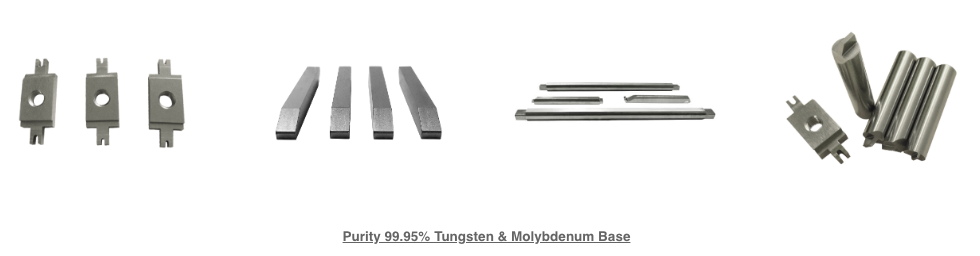
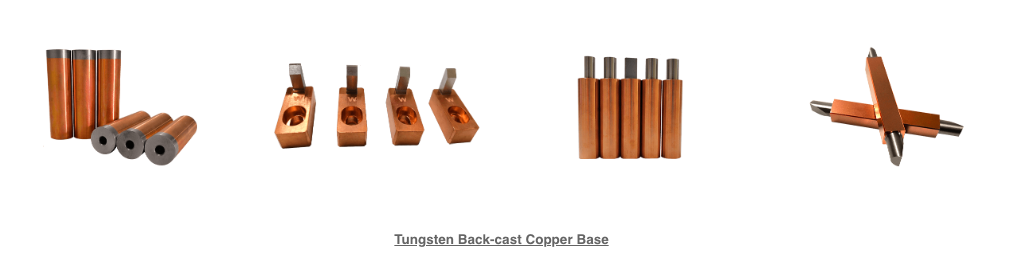
At Yolo, we are dedicated to helping manufacturers achieve the highest standards in battery tab welding. Our NDB electrode solutions feature:
- Tip Materials: Tungsten, molybdenum, WL10, and TZM, selected for specific welding requirements.
- Shaft Materials: High-conductivity copper or CuCrZr for optimal current transfer and cooling.
- Custom Geometries: Tailored tip shapes for cylindrical, prismatic, and pouch cell formats.
- Rigorous Quality Control: Every electrode is inspected for bonding strength, surface finish, and dimensional accuracy.
- Technical Support: Our engineering team works closely with clients to optimize electrode selection and welding parameters for their unique applications.
Why Choose Yolo?
- Proven in the field by leading EV battery manufacturers.
- Full customization for any battery tab design or material.
- Fast response for technical support and sample requests.
Contact Yolo for expert advice, custom solutions, or sample requests. Let’s build the future of EV battery manufacturing together!
