
Products
Tungsten & Molybdenum Micro Spot Welding Electrodes
Resistance spot welding is a fundamental process that utilizes heat generated by electrical resistance to fuse two conductive metal components. It is characterized by concentrating massive energy on a microscopic point within milliseconds, ensuring a secure bond while preventing the surrounding material from overheating.
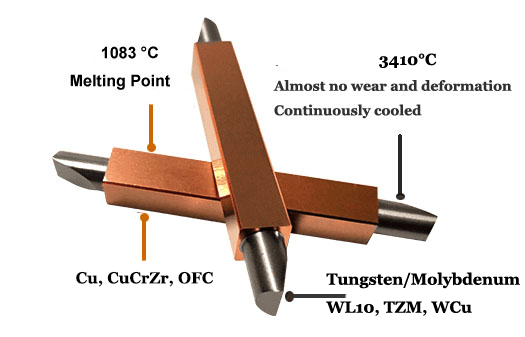
Through years of field exploration, Yolo’s product engineers have developed specialized material formulas consisting of Tungsten, Molybdenum, and their alloys combined with Copper. Compared to traditional electrodes, our solutions offer exceptional high-temperature stability. This effectively extends electrode service life, enhances welding quality, ensures the smooth operation of automated production lines, and significantly reduces downtime.
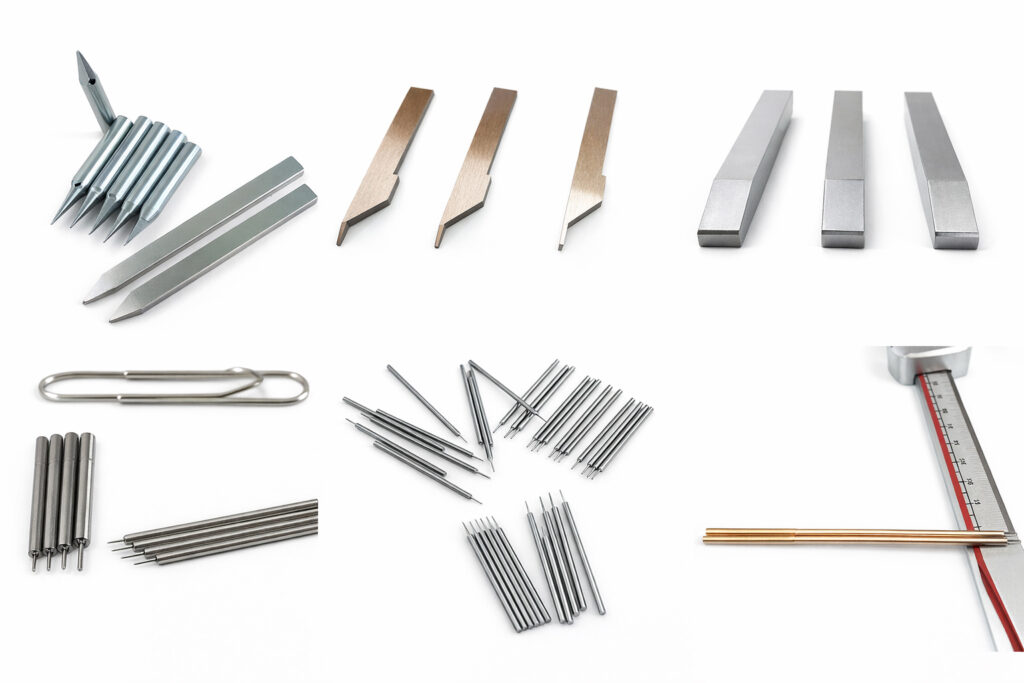
Product Gallery
The Problem with Conventional Electrodes
In micro resistance spot welding, traditional electrodes often struggle when processing high-conductivity materials such as copper and nickel.
These limitations lead to unstable production performance and higher operational costs.
Materials Selection Guide
Achieving a zero-defect weld requires more than just equipment—it requires a perfect match between the electrode material and the workpiece. Whether your process involves high-conductivity copper foils or sensitive nickel battery tabs, the balance of thermal conductivity, hardness, and anti-sticking properties is critical. Our guide below outlines how our specialized Tungsten, WL10, and Molybdenum, TZM alloys prevent common failure modes like tip deformation and surface contamination.
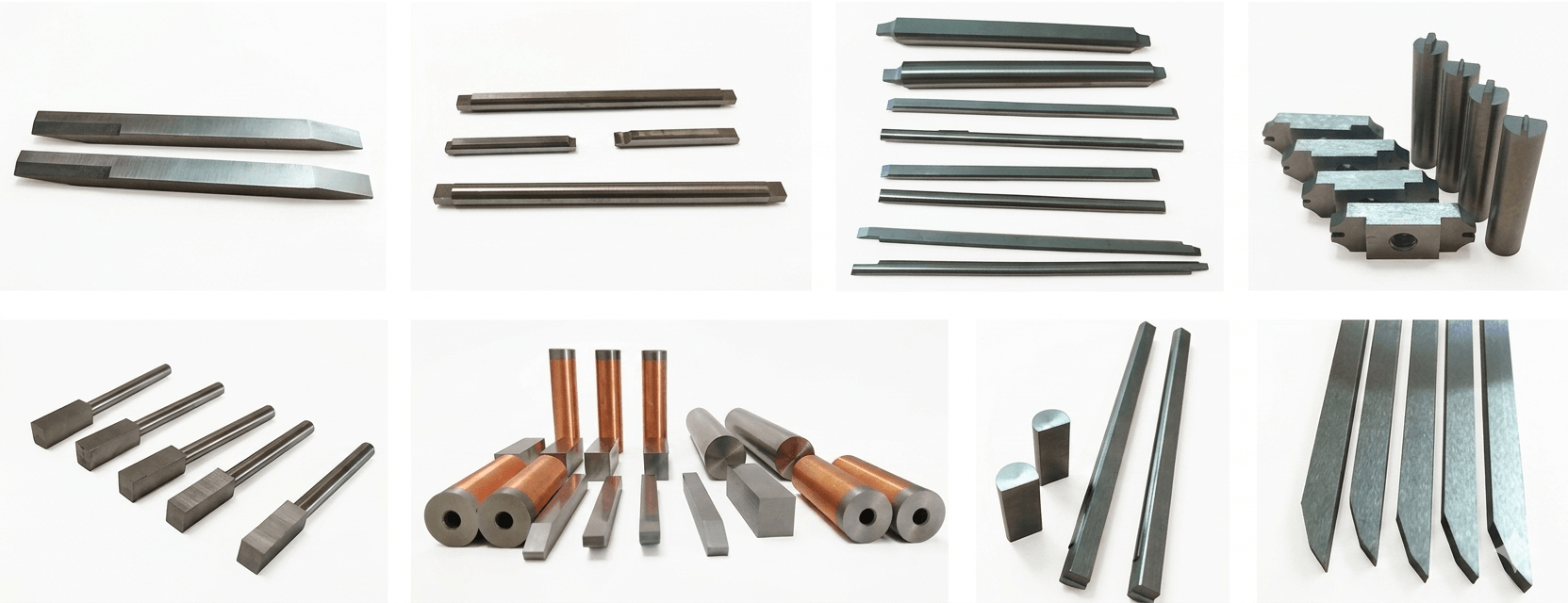
Pure Tungsten (W/WL10) KEY CHARACTERISTICS:
BEST FOR WELDING: Copper | Pure Molybdenum (Mo/TZM) KEY CHARACTERISTICS:
BEST FOR WELDING: Nickel (Battery Tabs) | NDB Back Cast Composite KEY CHARACTERISTICS:
BEST FOR WELDING: Auto-Lines |
Why Process Engineers Choose Yolo Electrodes
Anti-Sticking Performance
Prevents copper and nickel adhesion, ensuring smooth production cycles.
Superior Surface Finish
Tungsten molybdenum spot welding electrode tips are precision-ground with Ra ≤ 0.8 μm (or better), ensuring:
- Consistent current density
- Stable arc initiation
- Repeatable weld quality
High-Temperature Stability & Durability
- Densified internal structure
- Optimized alloy formulations with rare earth elements
- High hardness and anti-deformation performance
➡ No false welding, no unstable joints, no premature wear
Flawless Bonding Technology- NDB
For composite electrodes:
- Advanced NDB (Non-Defective Bonding) technology
- Bonding strength >130 MPa
- Nearly 100% metallurgical bonding between copper and refractory meta
✔ Excellent heat dissipation
✔ No porosity or delamination
✔ Longer service life under high-frequency welding

Industries & Applications
Our tungsten molybdenum micro spot welding electrodes are widely trusted in mechanical manufacturing and advanced joining technologies.
Expert Engineering Support
With years of hands-on experience in resistance welding production and processing, we deeply understand your shop-floor challenges. We don’t just sell electrodes; we analyze your actual site conditions and provide customized design improvements to maximize your production yield.
🔋 EV Battery AssemblyBattery tab welding, 18650 / 21700 / pouch cell connections, and complex copper-aluminum joint welding. | 🚗 Automotive Wire HarnessReliable copper wire compaction, terminal welding, ignition coils, and robust motor connections. |
🔌 Electronic ComponentsHigh-precision sensor lead welding, PCB trace repair, parallel gap welding, and micro connector assembly. | ⚙️ Precision ManufacturingElectromagnetic coils, switch contacts, fine wire bonding, and braided copper welding applications. |
Frequently Asked Questions
End Electrode Sticking Today.
Send us your electrode drawings or your current welding challenges. Our engineers will recommend the optimal material formula (Tungsten/Molybdenum) to maximize your production yield.
